
Kids Piano Classes Desa ParkCity for Real Progress
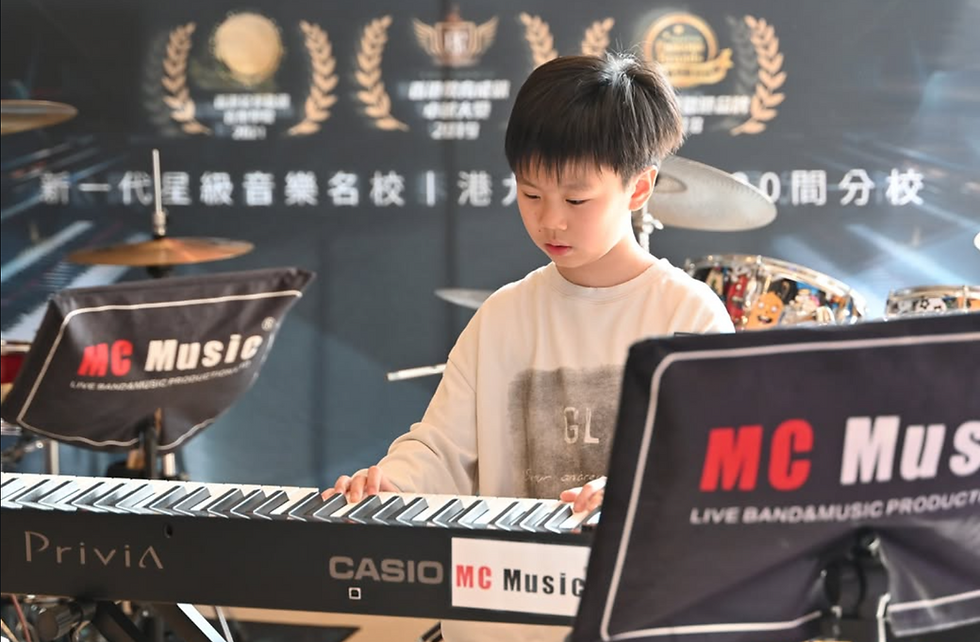
A child who taps out melodies on the dining table is telling you something. Sometimes it means real curiosity. Sometimes it lasts a week. The challenge for parents searching for kids piano classes Desa ParkCity is figuring out which interest can grow into a skill and which class format will quietly lose a child after the first month.
The right piano program does more than fill an afternoon. It helps children build attention, listening, coordination, and confidence, while still feeling enjoyable enough that they want to come back next week. That balance matters. A class that is all fun may not lead to progress, but a class that feels too strict too early can make music feel like a chore.
What parents should look for in kids piano classes Desa ParkCity
Most parents are not looking for a concert pianist at age six. They want a child to learn properly, feel encouraged, and show real improvement over time. That means the class matters, but the teaching approach matters even more.
A good kids' piano program starts with structure. Children need lessons that build one skill at a time, from posture and hand position to rhythm, note reading, and musical memory. Without that structure, some kids can copy songs for a while but struggle later when pieces become harder.
Just as important, lessons should feel age-appropriate. A young beginner usually learns best through short activities, repetition, teacher interaction, and clear goals. Older children may respond well to more direct instruction and measurable milestones. If one teaching style is used for every age, someone usually gets left behind.
Parents should also pay attention to consistency. Progress in piano rarely comes from occasional inspiration. It comes from steady guidance, good habits, and a teacher who knows when to encourage and when to correct.
Why children stay engaged in piano lessons
Interest is one thing. Staying interested is another.
Many children start piano because a parent suggests it, a sibling plays, or they like the sound of the instrument. Those are good starting points, but long-term motivation usually depends on the lesson experience. Children tend to stay engaged when they can feel improvement, not just hear adults talk about it.
That is why small wins matter. Reading a simple line of notes correctly, playing with both hands for the first time, or performing a short piece confidently can make a big difference. These moments show a child that effort leads somewhere.
Teacher connection is also a major factor. Children learn better from instructors who are warm, patient, and clear. A strong teacher does not simply praise everything. They know how to correct mistakes without making a child feel discouraged. For many families, this is the difference between a few trial lessons and years of meaningful study.
There is also a practical side. If lessons move too fast, children feel lost. If they move too slowly, children get bored. Good instruction keeps the pace just challenging enough.
Fun and discipline are not opposites
Some parents worry that making lessons fun will reduce standards. Others worry that too much emphasis on technique will take away the joy. In reality, the best piano lessons make room for both.
Children need discipline, but they rarely respond well to pressure alone. They do better when expectations are clear and the learning environment feels supportive. A child can absolutely learn proper technique, rhythm accuracy, and music reading while still enjoying the class.
This is especially true for beginners. Early lessons shape a child's relationship with music. If a child learns that piano means fear of mistakes, practice can become a battle at home. If a child learns that mistakes are part of growth and that effort is noticed, practice becomes much easier to sustain.
A strong academy setting often helps here. With trained instructors, a clear curriculum, and regular progress markers, students can enjoy lessons while building solid foundations. Families who want both encouragement and results often find this balance more reliable than a loose, unstructured approach.
Signs a piano class is helping your child progress
Progress does not always mean flashy songs right away. In fact, some of the best signs are easy to miss if you only look for performances.
A child who sits with better posture, follows counting more accurately, or recognizes basic notes without guessing is making progress. So is a child who practices more willingly because the material feels manageable. Confidence often grows quietly before it becomes visible.
Over time, stronger progress becomes easier to spot. Your child may begin playing with steadier rhythm, showing better hand coordination, and remembering teacher feedback from the previous week. They may become more comfortable performing for family or taking part in student showcases. These are practical signs that lessons are working.
For some families, graded music exams are also useful. They provide structure, goals, and an objective way to measure development. They are not necessary for every child, but for students who are motivated by milestones, they can add direction and a real sense of achievement.
How to choose between different teaching styles
Not every child thrives in the same setup, and that is where many parents get stuck.
Some children need a very gentle introduction. Others enjoy challenge and respond well to clear targets. A younger beginner may need highly interactive lessons, while an older child may be ready for more formal progression. The best choice depends on personality, age, and how your child handles correction and routine.
Private lessons often work well for children who need focused attention, customized pacing, or help staying on task. In a one-on-one setting, the teacher can adapt quickly and address technique in detail. That can be especially helpful for beginners building foundational habits.
At the same time, structure should not feel rigid for the sake of appearing serious. If a class leaves no room for encouragement, creativity, or relationship-building, children may comply without developing a lasting connection to music.
Parents should also ask what success looks like in the program. Is the goal casual exposure, strong fundamentals, performance readiness, exam preparation, or a mix of these? There is no single correct answer, but the school should be able to explain its direction clearly.
What a supportive academy environment can offer
A child learns from more than the weekly lesson itself. The wider environment matters.
In a professional academy, children often benefit from consistency across teaching standards, clearer progression paths, and a culture that treats learning seriously without becoming intimidating. When instructors are experienced and aligned in their teaching approach, parents usually get a more dependable experience.
This can also make communication easier. Parents want to know whether their child is settling in, improving steadily, or needing extra support at home. A good academy does not leave families guessing. It helps them understand what the child is learning and what to expect next.
Performance opportunities can be valuable too. Not every child wants the spotlight immediately, and that is fine. But gentle opportunities to perform can strengthen confidence, focus, and motivation. Children often practice more purposefully when they know their work will lead to something meaningful.
That mix of nurturing and accountability is one reason many families choose an established school such as MC Music Malaysia. The goal is not just to keep children busy. It is to help them enjoy the process while building skills that last.
When parents should step in and when they should step back
Home support matters, but too much pressure can backfire.
You do not need to be musical to help your child succeed. Often, the most useful support is simple: keeping a routine, noticing effort, and showing interest in what they learned that week. Children respond well when parents treat music as something worthwhile, not just another item on the schedule.
At the same time, it helps to avoid turning every practice session into a test. Young learners usually do better when practice feels regular and manageable rather than stressful. If your child is resisting constantly, the issue may not be laziness. It may be that the lesson pace, teaching style, or expectations need adjusting.
That is another reason the teacher-parent relationship matters. Honest feedback early on can prevent frustration later.
Finding the right fit for your child
When parents search for kids piano classes Desa ParkCity, they are usually looking for more than convenience. They want a place where their child is taught well, encouraged properly, and given a real chance to grow.
The right class will not look identical for every child. Some need time to warm up. Some love goals and milestones. Some begin with curiosity and only later develop discipline. What matters is finding instruction that respects both the child and the craft.
If a program can make lessons enjoyable without lowering standards, and structured without losing warmth, that is where lasting progress often begins. A good piano class should help your child feel, week by week, that music is something they can truly do.


Comments