
Drum Classes Adults Can Stick With
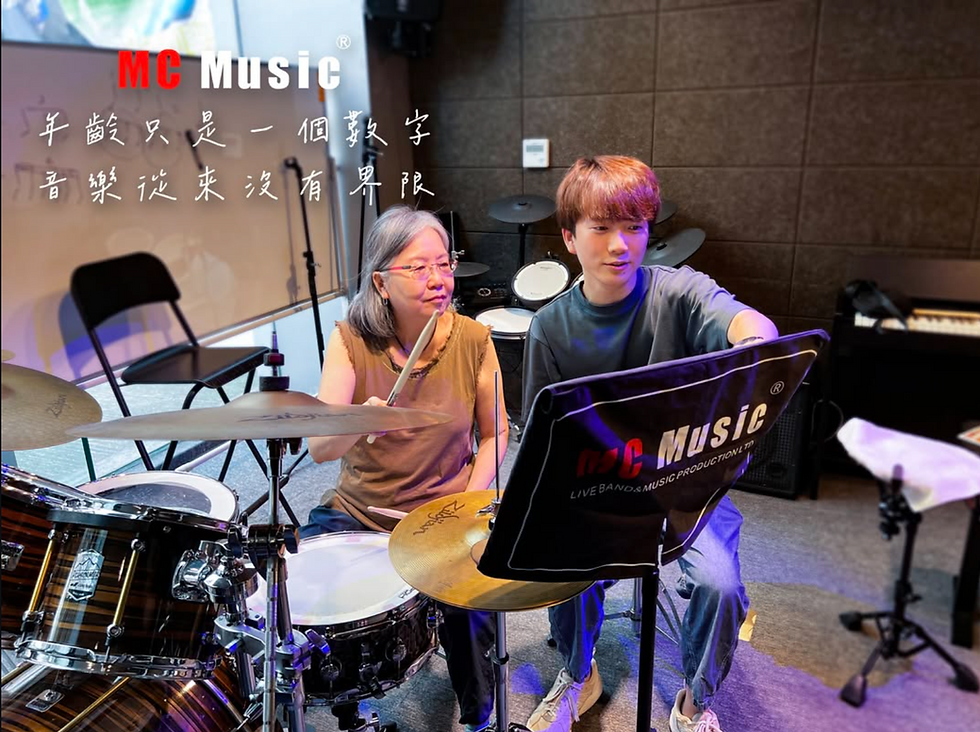
You do not need a childhood background in music to become a drummer. Many people start drum classes adults often put off for years because they assume they are too busy, too inexperienced, or simply too late. In reality, adult students often progress faster than they expect because they listen closely, ask better questions, and usually know why they want to learn.
That reason matters. Some adults want a creative outlet after work. Some have always loved live music and want to understand rhythm from the inside. Others are parents bringing a child to lessons and finally deciding it is their turn too. Whatever the starting point, good drum lessons should feel encouraging from day one while still giving you a clear sense of progress.
Why drum classes adults choose need a different approach
Adults are not just older beginners. They learn differently, manage time differently, and often carry more hesitation into the room. A child may hit the drums with confidence right away. An adult is more likely to wonder whether they are doing everything wrong in the first ten minutes.
That is why teaching style matters so much. The best adult lessons are structured, but not rigid. A teacher should explain the purpose behind each exercise, connect technique to actual music, and pace the lesson in a way that builds confidence rather than pressure. Adults usually respond well when they can see the logic of what they are practicing.
This is also where a supportive academy setting helps. Learning drums on your own can work for some people, but many adults stall because they do not know what to practice next or whether they are improving. Regular lessons create momentum. They give you a teacher who can spot small issues early, correct posture and timing, and keep your goals realistic.
What beginners should expect in adult drum lessons
A first lesson should not feel like a test. It should give you a sense of the instrument, basic coordination, and how rhythm is physically organized. Most adult beginners start with posture, stick grip, simple note values, counting, and easy coordination between hands and feet.
That may sound technical, but it becomes musical quickly. Even basic patterns can feel satisfying when taught well. A teacher might introduce a straightforward rock beat, show you how to keep time with a metronome, and help you move between groove and fill without getting lost. Those early wins matter because they replace anxiety with motivation.
Progress is rarely a straight line. One week your hands may feel comfortable while your footwork lags behind. Another week your reading improves, but your timing feels uneven. That is normal. Drumming asks your body and mind to coordinate in ways that are unfamiliar at first. The key is consistent practice, not perfection.
Technique matters more than adults think
A common mistake among adult learners is rushing past fundamentals because they want to play songs immediately. Playing music early is important, but skipping technique often creates frustration later. Tension in the shoulders, poor grip, and uneven motion can make even simple patterns harder than they need to be.
A strong teacher will fix those habits before they become permanent. That does not mean lessons need to feel strict or overly academic. It simply means your progress has a foundation. Better technique improves speed, control, sound quality, and stamina. It also makes practice more enjoyable because your body is not fighting the instrument.
This is especially relevant for adults returning to music after many years or balancing lessons with a desk-based lifestyle. Tight wrists and stiff shoulders are common. Thoughtful instruction can help you play more naturally and avoid the fatigue that often discourages beginners.
How to know if a drum program is actually good
Not all lessons are built the same. Some are fun in the moment but too casual to produce real growth. Others are so serious that beginners feel intimidated and quit early. The right program balances encouragement with direction.
Look for a school that offers a clear learning path. That does not mean every student must follow the exact same route, but there should be a sense of progression from basic rhythm and coordination to reading, listening, repertoire, and more advanced control. Adults benefit from knowing what they are working toward.
Instructor quality is another major factor. Good drummers are not always good teachers. The best instructors know how to break complex skills into manageable steps, adapt to different personalities, and keep lessons engaging without losing structure. In a trusted academy environment, that teaching standard is often more consistent.
For some students, graded exams are helpful too. They are not mandatory for everyone, but they can provide external goals and measurable progress. In a structured music school, exams and performance opportunities can add purpose to weekly practice without taking away the enjoyment of learning songs you love.
Drum classes adults can fit into real life
One reason adults hesitate to start is scheduling. Work, family, commuting, and daily responsibilities can make music lessons feel unrealistic. But drum learning does not require hours of free time every day. What matters more is a routine you can sustain.
A weekly lesson paired with short, focused practice sessions is often enough to make meaningful progress. Fifteen to twenty minutes of careful practice several times a week can be more effective than one long session on the weekend. Adults tend to do better when practice feels manageable rather than all-or-nothing.
This is why realistic goal-setting matters. If your aim is to become comfortable with rhythm, learn a few favorite grooves, and gradually build coordination, you are far more likely to stay motivated than if you expect to play advanced fills within a month. Good teachers understand this. They help adult students build momentum without setting them up for disappointment.
The confidence factor adults rarely talk about
A lot of adults are not afraid of drums. They are afraid of being beginners in public.
That feeling is more common than most people admit. Adults are used to competence in other parts of life, so starting from zero can feel uncomfortable. A welcoming lesson environment makes a real difference here. When teachers are calm, clear, and respectful, adults settle in faster and become more willing to make mistakes, which is essential for learning.
This is one of the reasons academy culture matters. In a family-friendly school where students of different ages are learning seriously but without pressure, adults often feel more at ease. They are not expected to impress anyone. They are there to learn, improve, and enjoy the process.
At MC Music Malaysia, that balance of warmth and structure is part of what makes adult learning approachable. Students benefit from professional guidance, but the atmosphere still feels encouraging and human.
Should adults learn for fun or for exams?
It depends on personality and goals. Some adults thrive when they have milestones, feedback, and a formal framework. Others simply want to play confidently and enjoy the experience without worrying about assessment.
Neither path is more legitimate. What matters is choosing a lesson structure that keeps you engaged. Exams can be useful if you like measurable progress and want your training to follow a recognized standard. A more flexible path may suit you better if your main goal is stress relief, self-expression, or playing along with music at home.
A thoughtful teacher can support either direction. In fact, many adult students combine both. They work on technique and reading in a structured way while still learning songs and styles that keep them inspired.
What progress really looks like after a few months
Most adults underestimate how much they can learn in a steady program. Within a few months, many beginners can keep a basic beat, read simple rhythmic notation, use a metronome more confidently, and play with better coordination than they thought possible at the start.
The bigger change is often internal. Rhythm becomes less mysterious. Music sounds different when you understand the pulse underneath it. You start hearing structure, counting naturally, and recognizing why a groove feels solid or why a fill works. That kind of growth stays with you.
And if you continue, the possibilities widen. You may move into different genres, prepare for performances, or take on graded material. Or you may simply become someone who can sit at a drum kit and actually play. For many adults, that alone is deeply satisfying.
If you have been waiting for the right moment to start, it is probably not going to arrive with fanfare. It usually begins with one lesson, one steady beat, and the small surprise of realizing you can do more than you thought.


Comments