
10 Benefits of Music Lessons for Children
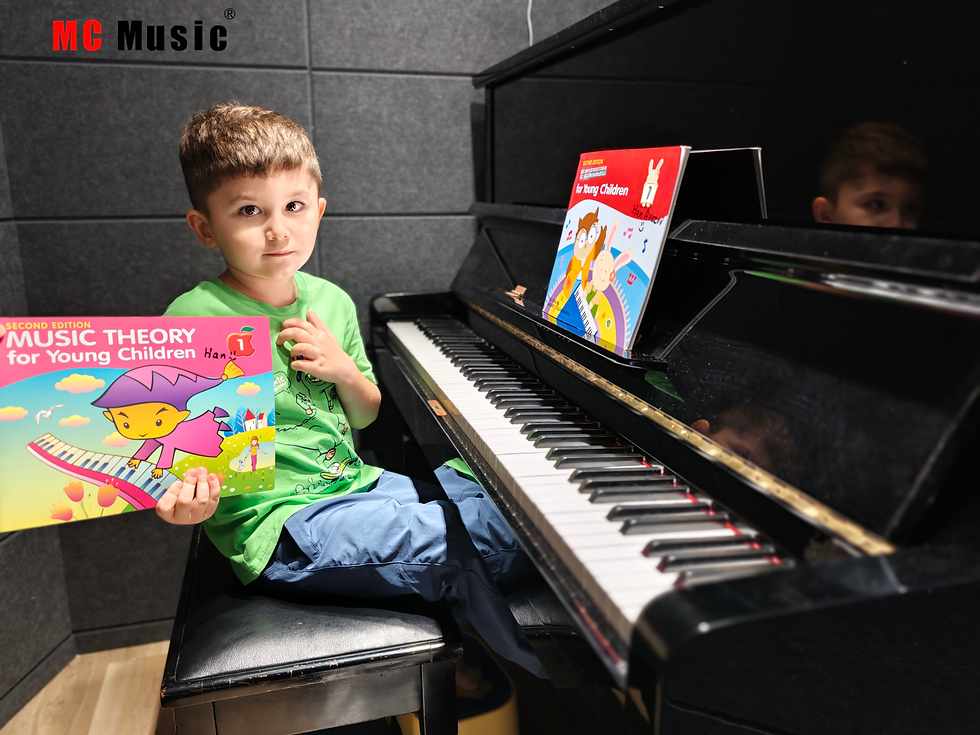
A child who lights up at the sound of a piano key or starts tapping rhythms on the table is showing more than curiosity. They are showing readiness to learn through sound, movement, and repetition. That is one reason the benefits of music lessons for children often reach far beyond music itself.
For many parents, the question is not whether music is good for a child. It is whether lessons will truly hold their attention, fit their personality, and lead to real progress. The answer depends on the teaching approach, the child’s age, and how lessons are structured. When those pieces are in place, music lessons can become one of the most rewarding long-term activities a child takes on.
Why the benefits of music lessons for children go beyond music
Music lessons ask children to listen carefully, respond accurately, and improve step by step. That combination builds habits that support learning in many parts of life. A good lesson is not just about playing the right notes. It is about learning how to focus, how to recover from mistakes, and how to keep going even when something feels difficult at first.
This matters because children rarely develop these skills from one-off experiences. They build them through regular practice, guided feedback, and small wins over time. Music provides all three in a way that feels enjoyable rather than forced.
1. Stronger focus and listening skills
In a music lesson, children learn to pay attention in layers. They listen for pitch, rhythm, timing, tone, and instructions from the teacher. Even beginner students are practicing concentration in a very active way.
This kind of attention is different from passive listening. A child playing a short piano piece or repeating a drum pattern has to notice details and react quickly. Over time, many parents find that this carries into schoolwork and everyday routines. It does not mean music lessons automatically solve focus issues, but they do give children repeated practice in sustained attention.
2. Better discipline without making learning feel rigid
One of the most valuable benefits of music lessons for children is the way discipline develops naturally. Children begin to understand that improvement comes from consistency. A song that felt impossible in week one can feel comfortable by week four.
That lesson is powerful. It teaches children that progress is earned, not rushed. At the same time, discipline in music should not feel harsh or joyless. The best results usually come when lessons balance structure with encouragement, especially for younger students who need motivation as much as instruction.
3. Confidence built through visible progress
Children gain confidence when they can hear and feel themselves improving. In music, progress is often very clear. A student who once needed help finding the right notes may soon play a complete piece on their own. A shy voice student may begin singing with more control and less hesitation.
This kind of confidence is grounded in effort. It is not empty praise. Children learn that they can do hard things, improve with practice, and perform skills they once thought were out of reach. That can have a lasting effect on how they approach other challenges.
4. Healthier emotional expression
Not every child expresses emotions easily through words. Music gives them another channel. Some children become calmer when they play. Others become more expressive, more open, or more comfortable sharing how they feel.
This does not mean every child will treat music as emotional release, and it should not be forced into that role. But music does create space for feeling. Tempo, dynamics, phrasing, and tone all help children connect emotion with expression. For many families, that becomes one of the quiet but meaningful rewards of regular lessons.
5. Improved memory and pattern recognition
Learning music involves remembering note names, rhythms, fingerings, lyrics, posture cues, and song structure. Children are constantly working with patterns. They begin to recognize repetition, contrast, sequence, and form.
These are useful thinking skills. Music trains the brain to notice relationships between small details and larger structure. A child reading music is not just decoding symbols. They are learning how parts fit into a whole. That kind of pattern recognition can support academic learning, especially in subjects that require sequencing and recall.
6. Patience with the learning process
Parents often want activities that produce growth without overwhelming their child. Music can do that well, but only when expectations are realistic. Children do not become skilled overnight. They repeat short exercises, revisit tricky sections, and learn to tolerate the slow pace of improvement.
That is not a downside. In fact, it is one of the hidden strengths of music education. Children begin to see that frustration is part of learning, not proof that they are failing. With a supportive teacher, they learn how to work through difficulty instead of avoiding it.
7. Creativity with structure
Some parents assume music lessons are either highly academic or purely expressive. In reality, good lessons bring both together. Children learn correct technique, rhythm, and musical accuracy, but they also develop interpretation, style, and personality.
This balance matters. Too much structure can make lessons feel mechanical. Too little can leave students without clear progress. When children are guided well, they get the freedom to enjoy music while still building real skill. That is often what keeps them interested for the long term.
8. Social growth and performance readiness
Even children who take one-on-one lessons benefit from the social side of music. They learn how to receive feedback, communicate with a teacher, and perform in front of others when opportunities arise. Recitals, exams, and small performances can help students become more composed under pressure.
Performance is not necessary for every child, and some need more time before they are ready. Still, having a goal to work toward can be healthy. It gives practice a purpose and teaches children how to prepare, manage nerves, and present their work with pride.
9. A more productive relationship with screen-free time
Many parents are looking for activities that feel worthwhile, engaging, and sustainable. Music lessons can fill that space well because they combine mental challenge with creativity. Practice at home gives children something constructive to return to outside of school.
Of course, this depends on the child and the instrument. Some children take to piano quickly. Others connect better with drums, guitar, or voice. Interest matters. A lesson is more likely to become part of a child’s routine when the instrument fits their personality and energy level.
10. Long-term growth that can be measured
One reason parents choose structured music education is that progress does not have to feel vague. A clear curriculum, skilled instruction, and milestone-based learning can help families see how a child is developing over time.
For some students, that may include graded exams. For others, it may mean mastering repertoire, improving technique, or becoming confident in performance. There is no single path that suits every child. What matters is having a learning environment where enjoyment and accountability exist together.
How to choose lessons that bring out these benefits
Not all music lessons create the same experience. A child may enjoy music in general but lose interest if lessons feel confusing, too strict, or poorly paced. That is why the teacher and lesson structure matter so much.
Parents should look for instruction that is warm but organized. Children need encouragement, yet they also need clear guidance and goals. In many cases, the best fit is an academy or teacher that knows how to adjust lessons by age, personality, and learning speed while still maintaining standards.
It also helps to think practically. Younger beginners may need shorter, highly engaging sessions. Older children may respond well to more challenge and measurable milestones. Some thrive with exam preparation, while others stay motivated through songs, performance goals, or a mix of both.
A structured academy like MC Music Malaysia can be especially helpful for families who want both enjoyment and visible progress. Professional instruction, consistent teaching, and age-appropriate guidance make a real difference in whether a child stays motivated past the early stage.
When music lessons may need adjustment
Music lessons are beneficial, but they are not one-size-fits-all. Some children need time before they are ready for formal instruction. Others may need to switch instruments, change teachers, or reduce pressure if motivation drops.
That does not mean lessons have failed. Often, it simply means the approach needs refining. The goal is not to force a child into a rigid model. It is to help them build a positive, lasting relationship with music while developing skills that serve them well beyond the classroom.
A child may begin lessons to learn an instrument, but what often grows alongside that is focus, confidence, patience, and self-expression. Those gains do not always appear in one dramatic moment. More often, they build quietly, lesson by lesson, until a parent realizes their child is not just learning music. They are learning how to grow.


Comments