
How a Piano Lesson Builds Skill and Confidence
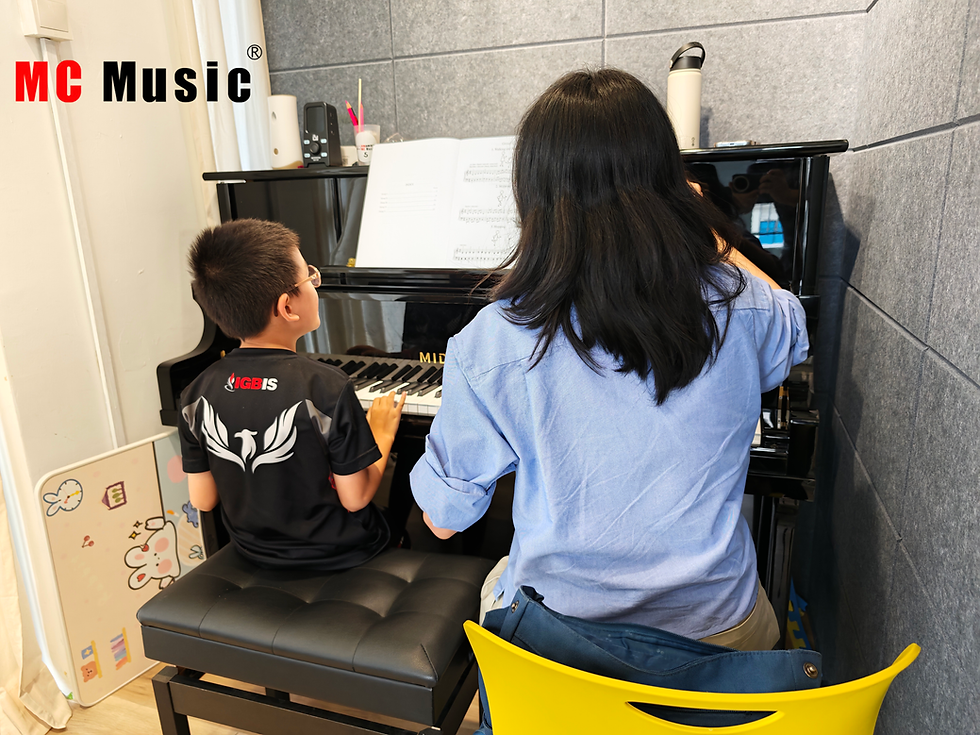
A good piano lesson is easy to recognize. The student walks in curious, a little challenged, and ready to try. They walk out having learned something clear, feeling encouraged, and knowing what to practice next. That balance matters more than many families expect. If a lesson is all fun with no direction, progress stalls. If it is all pressure and correction, motivation fades fast.
For parents, that creates a real question: what actually makes piano lessons work over time? For teens and adults, the question is similar but more personal. You want to improve, not just attend classes. You want to enjoy the process, but you also want proof that your effort is going somewhere.
What a piano lesson should actually do
A strong lesson does more than teach a song. It builds musical habits. Students learn how to sit well at the instrument, place their hands correctly, read rhythm with confidence, listen carefully, and connect what they hear to what they play. These early details can seem small, but they shape everything that comes later.
This is why structured teaching matters. Beginners usually cannot tell which mistakes are harmless and which ones become hard to fix later. An experienced teacher can spot tension in the hands, uneven timing, weak finger independence, or a reading gap before it turns into frustration. That kind of guidance saves time and protects a student's confidence.
For younger children, the lesson also has to match attention span and personality. Some children respond best to movement, pattern games, and short musical tasks. Others enjoy repetition and feel secure when the lesson follows a steady routine. There is no single method that fits every child. The teacher's job is to find the right pace while still keeping standards high.
Why one piano lesson can feel great but progress still depends on consistency
Families sometimes judge music education by a single class. That makes sense at first, but piano develops through accumulation. One good piano lesson can create excitement. A series of good lessons, supported by practical home practice, creates skill.
This is where realistic expectations help. A student may learn a simple melody quickly, but reading fluently, controlling dynamics, and playing with both hands together usually takes longer than beginners imagine. That is normal. Piano asks the brain, ears, eyes, and fingers to work together at the same time.
The encouraging part is that progress does not require extreme practice. It requires regular practice. Ten focused minutes from a young beginner can be more useful than a distracted half hour. Older students often improve steadily when they have a clear weekly goal instead of trying to cram everything into one session before class.
The best piano lessons balance enjoyment with real standards
This is where many parents feel torn. They want lessons to be enjoyable, but they also want their child to learn discipline and follow through. Those goals are not in conflict. In fact, students usually stay engaged longer when lessons feel rewarding and purposeful.
A thoughtful teacher knows when to encourage, when to correct, and when to stretch the student a little further. If everything comes too easily, boredom sets in. If the material is constantly too hard, the student starts to feel that piano is only about getting things wrong. The middle ground is where growth happens.
That balance is especially important for children who are bright but easily discouraged. They may enjoy music yet resist repetition. In those cases, progress often depends on how the teacher frames practice. Instead of saying, "Play it again until it's perfect," a better approach may be, "Let's make the left hand steadier," or, "Can you make this phrase sound softer the second time?" Small, clear targets help students feel successful.
What parents should look for in a piano lesson
Parents do not need to be musicians to recognize quality teaching. A few signs are usually clear. The teacher gives specific feedback rather than vague praise. The student knows what they are working on. The class has structure, but it does not feel rigid or cold.
It also helps when progress is visible over time. That might mean stronger rhythm, better posture, improved note reading, greater independence at the keyboard, or confidence in performing for others. Not every milestone is dramatic, and that is worth remembering. Sometimes the most important progress is quiet. A child who once needed constant prompting may begin practicing with less resistance. A nervous beginner may start playing with more focus and less fear of mistakes.
Teacher consistency matters too. Students do better when they learn from someone who remembers their strengths, understands their weak spots, and builds week by week instead of teaching each lesson in isolation. Trust grows from that relationship, and trust often determines whether a student stays with music long enough to see meaningful results.
Piano lesson goals change with age
A five-year-old beginner, a teenager preparing for exams, and an adult returning to music after years away should not all be taught in the same way. The core principles stay similar, but the lesson design needs to reflect the student's stage of life and reason for learning.
For young children, lessons often focus on foundational listening, basic rhythm, hand coordination, and positive routine-building. Parents usually play a bigger support role here, especially with practice habits at home. The goal is not speed. It is a healthy start.
Teenagers often need a different kind of motivation. Some thrive on graded goals, performances, or learning music they feel personally connected to. Others need help regaining momentum after a period of inconsistent practice. A teacher who can combine structure with encouragement is especially valuable during this stage.
Adults often arrive with mixed feelings. Some are excited, some self-conscious, and many worry they are starting too late. They are not. Adult learners can make excellent progress because they listen carefully, ask thoughtful questions, and usually understand the value of patient repetition. What they need is a supportive environment where improvement feels measurable rather than intimidating.
Exams and performance can help, but they are not the whole picture
Some students benefit greatly from exam pathways or performance goals. They create deadlines, encourage disciplined preparation, and offer a concrete sense of achievement. For families who want visible progress, this kind of structure can be reassuring.
Still, exams are tools, not the entire purpose of learning music. A student can pass a test and still lack confidence in expression or independent playing. Another student may progress beautifully without taking every available exam. It depends on personality, goals, and readiness.
The best teaching uses these milestones wisely. When students are prepared well, exams and performances can build resilience and pride. When pushed too early, they can create unnecessary stress. Good instructors know the difference.
At MC Music Malaysia, this balance is part of what families value most. Students are encouraged to enjoy learning while working toward real musical development, whether that means stronger fundamentals, confident performance, or success in graded assessment.
Why environment matters more than people think
Students learn better when they feel safe enough to try, miss, adjust, and try again. That sounds simple, but it shapes everything. A welcoming academy environment can reduce the fear that often causes children to shut down or adults to hold back.
That does not mean low expectations. It means students are taken seriously without being made to feel small. In a healthy learning setting, mistakes are treated as part of training, not proof that a student is "not musical." This matters because many learners quit not from lack of ability, but from repeated discouragement.
The right environment also supports long-term commitment. When students feel known by their teachers, when lessons have rhythm and purpose, and when progress is noticed, they are more likely to stay engaged through the slower phases that every musician faces.
Choosing the right piano lesson for the long run
The right lesson is not simply the one that fills an hour. It is the one that helps a student return next week a little stronger, a little more confident, and a little more connected to music. That applies to a child just learning finger numbers and to an adult working through their first full piece.
If you are choosing piano lessons for yourself or your child, look beyond first impressions. Ask whether the teaching feels structured, whether the student seems understood, and whether there is a clear path for growth. Enjoyment matters. So does trust. So does progress.
The best music learning does not rush. It gives students room to grow well, and that is what makes the results last.


Comments