
How to Choose Piano Lessons Kuala Lumpur
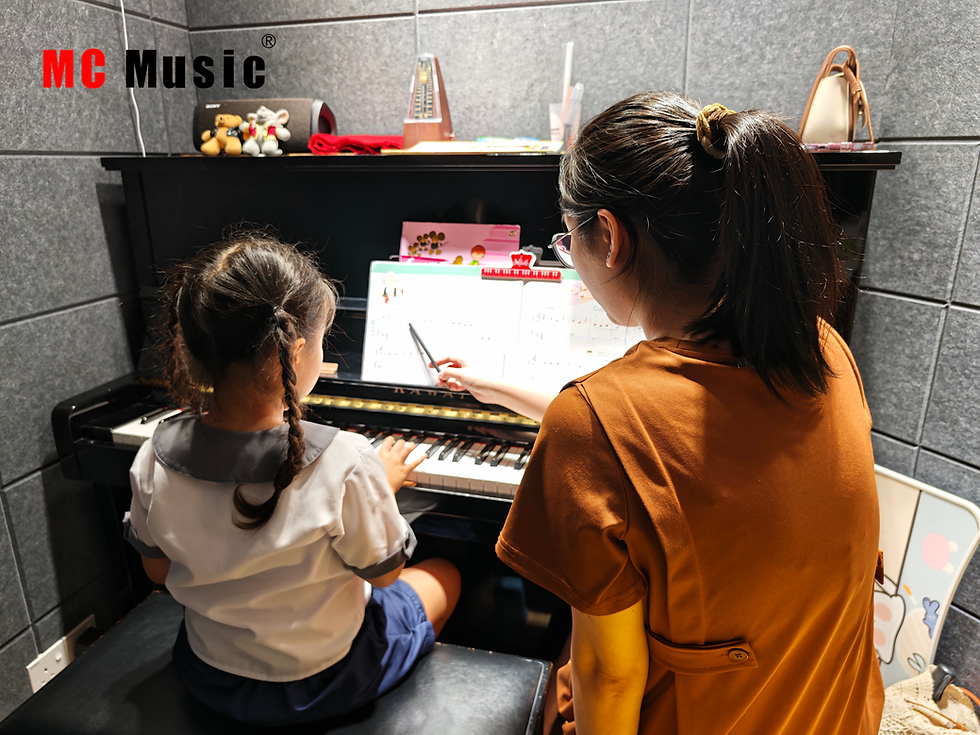
A child taps out the first few notes of a song at home, then stops halfway and wanders off. That moment tells many parents exactly what they need to know - finding the right piano lessons Kuala Lumpur offers is not just about starting lessons. It is about choosing a school and teacher who can keep curiosity alive long enough for real progress to happen.
Piano is one of the most popular instruments for good reason. It builds listening skills, coordination, discipline, and musical confidence. But the experience a student has in the first few months matters more than many people expect. A good start can lead to years of steady growth. A poor fit can make even a naturally musical child feel discouraged.
If you are comparing options, it helps to look past the basic promise of "fun lessons" or "experienced teachers." Most families want both enjoyment and visible improvement. The better question is what kind of learning environment actually makes that possible.
What good piano lessons in Kuala Lumpur should feel like
The best piano lessons do not feel chaotic or rigid. They feel guided. A student should know what they are learning, why it matters, and what the next step looks like.
For young children, that usually means lessons that balance structure with energy. They need enough variety to stay engaged, but not so much that the lesson becomes random. For teens and adults, the balance may shift slightly toward technique, interpretation, and personal goals. Either way, progress is easier when the teaching is organized.
That structure matters because piano is cumulative. Reading notes, keeping time, shaping tone, coordinating both hands, and developing steady practice habits all build on each other. If one part is skipped too early, students often hit a wall later.
A reliable academy helps prevent that. Instead of relying only on personality or casual song-based teaching, it provides a clearer path from beginner skills to more confident playing.
The teacher matters, but so does the system
Parents often focus first on the instructor, and that makes sense. A warm, capable teacher can make a huge difference. Children especially respond to teachers who are patient, encouraging, and able to explain things in a simple way.
But teacher quality should not be separated from the school's overall approach. Even a talented instructor works better inside a strong teaching system. That includes lesson planning, age-appropriate materials, consistent expectations, and a way to measure development over time.
This is where many families start to notice the difference between casual music coaching and a dedicated academy model. In a structured setting, teachers are not just filling time week by week. They are helping students move forward with purpose.
That does not mean every student must follow the exact same pace. In fact, good piano education leaves room for individual differences. Some children learn quickly by ear. Others need more repetition before reading notation feels natural. Some adults want graded exams, while others simply want to play well for personal enjoyment. The point is not uniformity. The point is thoughtful progression.
What parents should ask before enrolling
When looking at piano lessons Kuala Lumpur parents should ask practical questions, not just promotional ones. How are beginners introduced to the instrument? How do teachers keep students motivated when the early novelty fades? What happens if a child is enthusiastic one month and resistant the next?
Those questions reveal far more than broad claims about quality.
It is also worth asking how progress is observed. A trustworthy school should be able to explain what students typically work on at different stages, how technique is developed safely, and how confidence is built alongside skill. If performance opportunities or exam preparation are part of the program, those should support learning rather than create pressure for its own sake.
Parents should also pay attention to whether the environment feels welcoming. Some children thrive with challenge, but very few thrive under intimidation. The best lessons are serious about standards without making students feel small.
Fun and progress are not opposites
One of the biggest misconceptions in music education is that lessons must choose between enjoyment and discipline. In reality, students are more likely to stay disciplined when lessons are enjoyable, and they are more likely to enjoy lessons when they can feel themselves getting better.
That connection is especially important for children. If a child only plays games and never builds technique, progress stalls. If a child only drills scales without musical payoff, interest fades. Strong teaching blends both.
A good lesson might include technical work, sight-reading, listening, rhythm exercises, and pieces the student is excited to play. That variety keeps lessons alive while still moving toward clear goals. It also helps students experience small wins, which matter more than parents sometimes realize.
A child who can hear improvement in a simple song is often more motivated than a child who is pushed too quickly into difficult material. Slow, solid progress usually lasts longer than rushed progress that creates frustration.
Should students take exams?
For some families, graded music exams are a major priority. For others, they feel unnecessary. The honest answer is that it depends on the student.
Exams can be very useful when they are handled well. They provide milestones, encourage consistency, and give students a sense of achievement. They can also help parents see that lessons are building toward measurable outcomes, not just weekly activity.
At the same time, exams are not the only sign of musical growth. Some students blossom through performances, personal repertoire goals, or stronger confidence at the instrument. A thoughtful teacher knows when exam preparation will motivate a student and when a different path may be healthier.
The ideal school does not force every learner into the same mold. It offers direction while respecting the student's age, temperament, and long-term goals.
Why the academy environment can make a difference
Learning piano in a professional academy often gives students more than a weekly lesson. It places them in an environment where music feels normal, shared, and worth working at.
That matters for motivation. When students see others learning instruments, preparing for performances, or reaching new levels, the process feels more real. Parents also tend to feel more confident when they know their child is part of a school with established standards and experienced instructors.
For families, trust is a practical issue, not just an emotional one. You want to know that the school can support your child beyond the first few lessons. You want consistency. You want teachers who can adapt as your child grows. And if your child becomes serious about piano, you want a place that can support that next stage rather than sending you back to search again.
This long-term view is one reason many families choose an academy with a proven teaching background. MC Music Malaysia, for example, is built around structured instruction, experienced teachers, and student development that goes beyond simply keeping lessons entertaining.
Choosing for a child versus choosing for yourself
Parents and adult learners often look for different things, but they are not as far apart as they seem. Parents want engagement, encouragement, and reliable progress. Adults want clear teaching, a comfortable pace, and the feeling that they are improving without being judged.
In both cases, the right piano program creates safety and momentum. Students should feel comfortable making mistakes, but they should also feel guided toward better habits. That combination is what keeps learning from becoming stale.
For children, watch for signs that lessons are building confidence, not just compliance. For adults, look for a teacher who respects your goals, whether that means classical foundations, contemporary playing, or finally understanding the music you have always admired.
How to recognize a strong fit early
You do not need to wait a year to know whether lessons are working. Within the first stretch of study, you should start to notice a few things. The student should become more familiar with the keyboard, more responsive to rhythm, and more aware of musical detail. Just as importantly, there should be some sense of ownership.
That ownership may look different from one student to another. One child might proudly replay a short piece after dinner. Another may become more willing to practice without being reminded as often. An adult beginner may start hearing patterns in music that once sounded confusing. These are meaningful signs.
A strong fit is not about instant excellence. It is about steady signs that the student is connecting with the process.
When you are choosing piano lessons, trust both evidence and instinct. Look for professional teaching, clear structure, and a setting that makes students want to return next week. The right start can shape not only how someone plays, but how they feel about learning music for years to come.


Comments