
A Guide to Kids Piano Progression
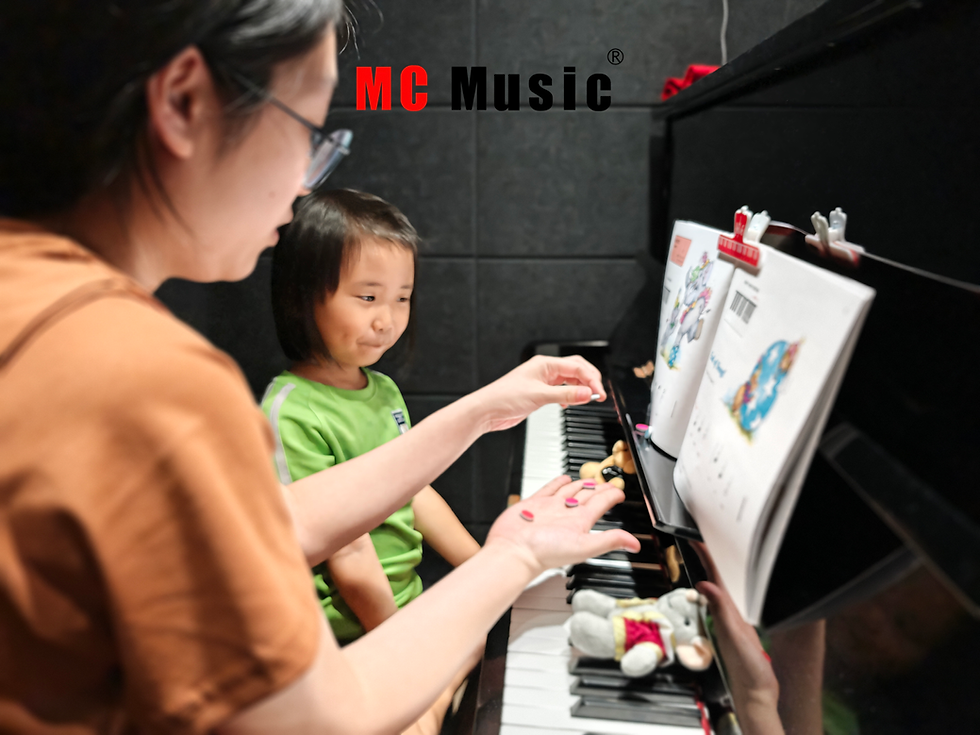
Some children fly through their first piano book and ask for more. Others need a few months just to feel comfortable finding middle C and playing with both hands. That is exactly why a guide to kids piano progression matters - not to rush a child, but to help parents understand what healthy, lasting progress really looks like.
Piano growth is rarely a straight line. A child may suddenly read better, then struggle with rhythm. They may memorize quickly but need more time to shape good hand position. When parents know what to expect at each stage, it becomes much easier to support practice at home without creating pressure.
What kids piano progression really looks like
Progression is more than moving from one song to the next. Good piano development combines listening, rhythm, reading, technique, memory, coordination, and confidence. If one area grows faster than another, that is normal. In fact, it is often a sign that lessons are being tailored to the child instead of forcing everyone through the same pace.
For younger beginners, early progress may look small from the outside. Sitting with focus for the full lesson, keeping a steady beat, and using the correct fingers are major wins. These foundations may not sound impressive at a family gathering, but they are the skills that support stronger playing later.
For older children, progress may become easier to hear. Pieces are longer, dynamics become more expressive, and hand coordination improves. Even then, growth is still layered. A student can play harder music and still need help with posture, counting, or consistent practice habits.
A practical guide to kids piano progression by stage
Stage 1: Musical readiness and first lessons
At the beginning, the goal is not perfection. It is comfort, curiosity, and routine. Children learn how to sit at the piano, recognize patterns on the keyboard, follow simple rhythms, and connect sound with movement.
This stage often includes finger numbers, basic note direction, simple ear training, and short pieces with one hand at a time. Some children also learn through singing, movement, and games before reading staff notation in a more detailed way. That does not mean they are behind. It often means the teacher is building understanding in the right order.
Parents sometimes expect visible results in a few weeks. A better expectation is steady settling-in. If your child can participate well, remember teacher instructions, and show interest in repeating short musical tasks, that is real progress.
Stage 2: Basic reading and hand coordination
Once the beginner routine feels familiar, children usually move into reading simple notes on the staff, playing with both hands, and counting with more consistency. This stage can feel exciting and frustrating at the same time.
Why? Because the child is now doing several things at once. They are watching the notes, using the correct fingers, keeping time, and controlling both hands together. It is common for students to sound less smooth for a while during this stage. Their brain is doing heavier work.
This is where good teaching makes a big difference. A structured lesson path helps children build one skill at a time without losing motivation. Parents should not worry if songs seem easy or repetitive. Repetition is often what turns confusion into confidence.
Stage 3: Stronger technique and musical control
As reading becomes more comfortable, technique starts to matter more. Children work on even tone, wrist flexibility, articulation, dynamics, and cleaner transitions between notes and phrases.
This is also the stage where practice habits begin to shape long-term results. A child who practices carefully for short, regular sessions often progresses faster than one who does one long session before the next lesson. Consistency usually beats intensity, especially for younger learners.
Pieces may still sound simple, but the demands are higher. The student is no longer just playing the right notes. They are learning how to play them well.
Stage 4: Independence, expression, and higher-level learning
Later on, students begin to take more ownership of their playing. They can identify mistakes, practice more thoughtfully, and understand musical phrasing with less prompting. They may start preparing for performances, assessments, or graded exams if that suits their goals.
This stage often brings a noticeable leap in confidence. Children who once needed constant guidance begin to show personality in their playing. They may also become more selective about repertoire and more aware of their own standards.
That said, progression here can slow down again. More advanced music takes longer to polish. A child may spend weeks on one piece, not because they are stuck, but because the musical expectations are higher.
What affects piano progress the most
Age matters, but not in the way many parents assume. A younger child may need more time to develop focus and hand control, while an older beginner may understand instructions faster. That does not automatically make one path better than the other. What matters more is whether the teaching matches the child’s learning stage.
Lesson quality also matters. Children tend to do best with instructors who can balance encouragement with clear correction. If lessons are only fun with no structure, progress can stall. If lessons are too rigid, motivation can drop. The best environment combines enjoyment with measurable skill-building.
Home support plays a major role too. Parents do not need to be pianists to help. A steady practice routine, a quiet time for lessons, and positive interest in what the child is learning can make a significant difference. In many cases, what keeps a child moving forward is not talent. It is consistency.
Signs your child is progressing well
The clearest sign is not always playing harder music. Sometimes it is stronger focus, better counting, smoother hand movement, or more willingness to correct mistakes. These are meaningful milestones.
You may also notice that your child starts recognizing musical patterns more quickly. They need less help finding notes, recover from errors more calmly, and play with a steadier pulse. Confidence at the instrument is often one of the best indicators that teaching and practice are working together.
If your child is preparing for assessments or performances, results can provide useful benchmarks. Still, exams should support learning, not define it. Some children thrive with external goals. Others grow better when the early focus stays on musicianship and enjoyment first.
When progress seems slow
Almost every parent reaches this point. The child was excited at first, then enthusiasm dips. Or they stay at a similar level for a while and you start wondering whether lessons are working.
Slow progress does not always signal a problem. Sometimes a child is absorbing a lot beneath the surface. Sometimes school schedules, energy levels, or confidence affect practice quality. Sometimes the next stage simply asks for more maturity.
It is worth looking at the full picture. Is your child attending lessons consistently? Are they practicing often enough to remember what was taught? Do they understand the lesson goals? Are they motivated by the music they are playing? Small adjustments can make a big difference.
If concerns continue, a conversation with the teacher is the best next step. An experienced instructor should be able to explain where the student is, what is improving, and what needs more support. That kind of clarity helps parents stay realistic and reassured.
How parents can support healthy progression at home
Keep practice short and regular. For most children, a calm 10 to 20 minutes done consistently is more effective than occasional long sessions filled with frustration. It also helps to practice at the same time each day so the routine feels normal rather than negotiable.
Show interest without turning every practice session into a test. Ask your child to play one small section they like. Notice improvements in rhythm, posture, or confidence, not just whether the whole piece is finished. Children respond well when effort is recognized.
Try not to compare your child with siblings, classmates, or online videos. Piano progression depends on maturity, personality, practice habits, and teaching fit. Comparison often creates pressure where patience would be more useful.
A structured school can help here because it gives parents a clearer view of development over time. At MC Music Malaysia, many families value that balance of warm teaching, consistent guidance, and visible milestones that keep children engaged while still moving forward.
The long view matters most
A child who learns piano well is not just collecting songs. They are building listening skills, discipline, patience, memory, and expressive confidence. Some months will feel fast, others slow. Both can still be part of healthy growth.
The most helpful guide to kids piano progression is one that leaves room for individuality. With the right instruction, steady support, and realistic expectations, progress becomes easier to recognize and much more rewarding to sustain.
When parents focus less on speed and more on solid development, children usually gain something better than quick results - they build skills that stay with them.


Comments